
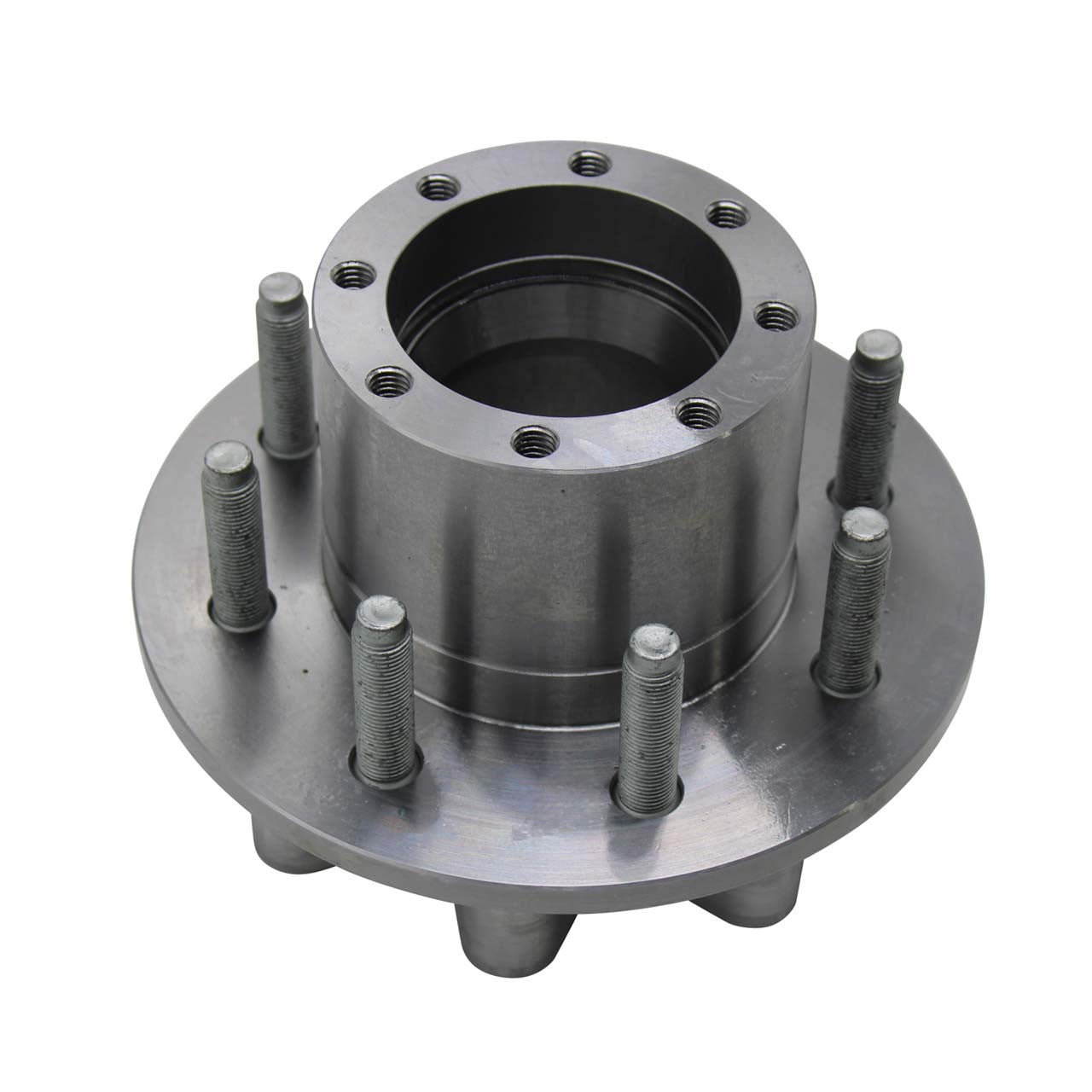
A dependable wheel hub is vital to the safety, stability, and towing performance of your Dodge Ram 3500 Dually. However, hubs themselves rarely “go bad” without an underlying issue. In almost every case, failure begins inside the bearings, where worn parts, contaminated lubricant, or poor sealing initiate a chain reaction that culminates in heat, metal wear, and ultimately, hub destruction.
Recognizing how bearing failure develops—and spotting early warning signs—can help you prevent major axle damage, preserve towing performance, and maintain your truck’s rated load capacity under demanding conditions.
Understanding the Real Cause of Rear Wheel Hub Failure
The rear hub on a Dodge Ram 3500 Dually doesn’t simply fail on its own. It’s an assembly designed to last hundreds of thousands of miles when bearings are properly lubricated and supported by intact seals and surfaces. The real culprit behind hub failure is almost always bearing wear combined with lubrication breakdown.
Inside each hub, tapered roller bearings support the vehicle’s weight while allowing rotation with minimal friction. These bearings rely on a precise film of lubricant—typically gear oil or heavy-duty grease—to prevent metal-to-metal contact. When this film is disrupted, the rollers and races grind against each other, producing microscopic wear known as pitting.
Over time, pitting grows into spalling, where flakes of metal break away and circulate through the lubricant. These metal fragments accelerate wear on every nearby surface, creating excess heat and uneven loading. Once temperatures rise beyond the lubricant’s limit, the oil oxidizes and hardens, further reducing its protective qualities. The end result is a hub assembly running hot, out of tolerance, and eventually incapable of keeping the wheel secure.
Common Triggers of Bearing and Lubrication Failure
-
Seal Deterioration or Damage: A compromised axle seal allows lubricant to leak out or water and debris to enter. Contaminants like dust, sand, and moisture destroy the smooth surfaces of the rollers and races.
-
Improper Lubricant Type or Level: Using incorrect grease or failing to maintain oil levels alters viscosity and leaves bearing surfaces unprotected.
-
Worn Bearing Surfaces or Spindle Damage: A slightly worn spindle changes bearing preload, creating side-loading that accelerates fatigue.
- Overloading or Heavy Towing: Continuous high load increases contact pressure, thinning the lubrication film and generating excess heat.
Each of these factors compounds the others. As friction increases, the bearing metals expand due to heat, reducing clearance and creating a self-accelerating wear cycle. Eventually, what appears to be a “bad hub” is in fact the final symptom of a much earlier mechanical or maintenance issue.
Common Bad Rear Wheel Hub Symptoms in Dodge Ram 3500 Dually
Rear wheel hub issues often develop gradually, and the warning signs may seem minor at first. Here are the most frequent symptoms that indicate bearing-related hub failure:
-
Grinding or Humming Noises: A failing bearing inside the hub produces grinding, humming, or rumbling sounds that intensify with speed or when the vehicle is in motion.
-
Vibration from the Rear Axle: Bearing wear and friction cause the wheel hub to vibrate, often noticeable through the seat at highway speeds or while towing heavy loads.
-
Uneven Tire Wear: Misalignment from excessive bearing play results in irregular tire wear, shortening tire life, and reducing handling stability.
-
ABS Warning Light Activation: The integrated ABS sensor may trigger a dashboard alert when bearing deterioration causes inconsistent wheel-speed readings.
-
Wheel Play: When lifted, a wheel that moves excessively side to side signals bearing looseness or internal hub wear.
-
Elevated Operating Temperatures: Increased friction from worn bearings causes noticeable heat around the hub area, even after short trips.
Each symptom stems from the same mechanical origin—loss of bearing precision and lubrication integrity. Addressing it early prevents total hub collapse and avoids collateral axle or spindle damage.
How to Diagnose Symptoms of a Bad Rear Wheel Hub
Accurate diagnosis ensures you address the underlying bearing issue rather than replacing unrelated components. Follow these steps to confirm whether your Dodge Ram 3500 Dually’s rear hub assembly is failing:
-
Listen While Driving: Pay attention to rhythmic grinding or roaring from the rear, especially when turning or accelerating — a key sign of dry or pitted bearings.
-
Spin the Wheel by Hand: Raise the rear axle and rotate each wheel. Roughness, drag, or side play indicates bearing wear or lack of lubrication.
-
Inspect for Leaks and Metal Shavings: Look for gear oil residue, metallic dust, or discoloration around the hub — evidence of bearing breakdown.
-
Check for Excess Heat: After a short drive, carefully touch near the hub. Excessive heat indicates friction due to insufficient lubrication.
- Use Precision Tools: A dial indicator can measure bearing end play to determine if internal clearances exceed manufacturer specifications.
Professional inspection is essential for dual-rear-wheel models since their tandem load distribution can mask early failure until severe wear occurs.
Risks of Ignoring a Failing Rear Wheel Hub
Continuing to drive with worn or dry bearings can have serious consequences for both your truck and your safety:
-
Wheel Detachment: Extreme bearing failure can allow the hub to separate from the spindle.
-
Brake System Malfunctions: Compromised bearings interfere with ABS and brake function, reducing stopping power.
-
Axle and Hub Damage: Friction and metal debris accelerate wear on the spindle, bearings, and hub surfaces.
-
Handling Instability: The truck may pull to one side or feel unstable during acceleration, braking, or towing.
Replacing worn bearings and hubs promptly restores smooth performance, stability, and safe operation under heavy-duty conditions.
Why Choose a High-Quality Replacement Wheel Hub
When replacing the rear wheel hub on your Dodge Ram 3500 Dually, component quality and precision machining determine longevity and safety. Inferior parts can fail prematurely or cause alignment issues. Choose a replacement that features:
-
CNC Machining from Solid Steel: Ensures structural strength, accurate tolerances, and dependable load handling.
-
Premium Bearing Components: Precision-ground bearings minimize friction and extend service life.
-
Proper Lubrication Channels: Quality hubs maintain consistent grease flow to protect against overheating.
-
Accurate Fitment: A perfect fit for your axle ensures optimal performance and OEM-level reliability.
A hub designed specifically for the 2012–2018 Dodge Ram 3500 Dually will deliver consistent performance and durability, even under intense workloads or rough terrain.
OEM and Aftermarket Wheel Hub Solutions You Can Trust
Both OEM and high-grade aftermarket hubs can deliver long-term dependability when sourced from reputable manufacturers. OEM hubs replicate factory specifications, while premium aftermarket options often improve bearing quality, sealing, and corrosion resistance. The most important factor is selecting a hub engineered for your axle type, bearing design, and lubrication system — ensuring every mile is supported by strength and stability.
Keep Your Ram 3500 Dually Running Strong with Torque King 4x4
A properly lubricated and precisely machined rear wheel hub is key to maintaining your truck’s safety, towing performance, and load-carrying capacity. Torque King 4x4 offers USA-made replacement hubs and bearing components that meet or exceed OEM standards.
Visit our website to explore heavy-duty replacement hubs, bearing kits, and tools engineered for the Dodge Ram 3500 Dually. Restore your truck’s performance and protect your investment with parts built for lasting strength and precision.


Leave a comment
This site is protected by hCaptcha and the hCaptcha Privacy Policy and Terms of Service apply.