
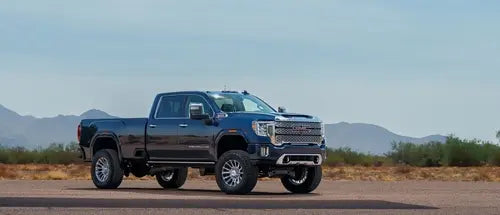
Manual locking hubs are a crucial component on many medium-duty Chevy and GMC 4x4 trucks. When they begin to fail, the symptoms can lead to costly downtime, poor drivability, and premature wear on your drivetrain. In this post, we’ll cover the common signs of a failing locking hub, explain what they do, walk through how to diagnose issues, and point you toward reliable parts from Torque King.
Common Symptoms of Bad Manual Locking Hubs
If you’re wondering what the symptoms of bad manual locking hubs look like, here are some of the most common warning signs to watch for:
-
Grinding or Whirring Noises: When a hub is partially disengaged or damaged, you may hear grinding from the front axle while driving.
-
Front Axle Vibration or Dragging: If the hub isn’t engaging or disengaging properly, the front drivetrain may still be driven when it shouldn’t be, causing vibration or drag.
-
Difficulty Locking or Unlocking: A failing hub dial may not switch between “lock” and “free” modes smoothly, or it may click loosely.
-
Excessive Wear on Front Components: Bad hubs can cause accelerated wear on U-joints, seals, or even the differential because the front axle isn’t isolating properly.
-
Grease Leakage or Contamination: Damaged O-rings or internal seals can let grease escape, allowing contaminants in and degrading performance.
Recognizing these symptoms of bad manual locking hubs early is vital to maintaining the longevity of your medium-duty truck’s front-end system.
What Do Manual Locking Hubs Do?
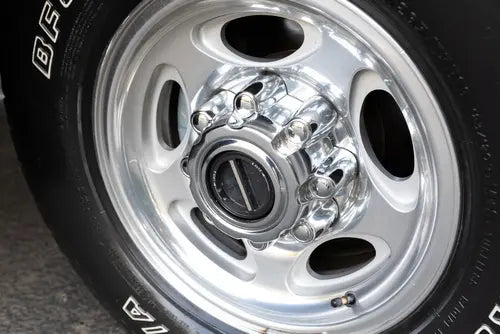
Manual locking hubs are the mechanical interface between your wheel and the axle shaft. When properly engaged, the hub connects the outer wheel to the front axle, allowing torque to be transferred to the front differential. When disengaged, the hub free-wheels, reducing drag and wear on front-end components.
In practical terms:
-
Locking the hub engages the 4WD front axle for traction.
-
Unlocking the hub disengages the front axle, reducing rotation load on bearings, seals, and U-joints.
-
Properly functioning hubs help your drivetrain last longer by eliminating constant front-end rotation when 4WD isn’t needed.
Understanding what manual locking hubs do can help you appreciate how failure impacts your Chevy or GMC’s durability.
How to Diagnose a Failing Locking Hub on Chevy/GMC Trucks
Diagnosing a bad locking hub doesn’t always require a full teardown. Here are the steps you can follow to confirm an issue:
-
Visual Inspection
-
Jack the front wheel safely and spin it by hand.
-
Toggle the hub dial between “free” and “lock” while applying a slight load; you should feel the engagement change.
-
Inspect for grease leakage, a cracked dial, or a damaged O-ring.
-
Noise and Vibration Test
-
Drive your truck on a smooth, low-speed road with 2WD and listen for grinding or groaning.
-
Shift into 4WD high and drive again; the sound should change (lock engaged) or disappear (free disengaged).
-
Load Test
-
With the hub in “free,” your front axle should spin freely without demanding load.
-
In “lock,” engage 4WD and test whether the axle spins under drive torque—if it doesn’t, the hub may be slipping.
-
Seal and Lubricant Check
-
Remove the hub dial and check the O-ring for cracks or flattening.
-
Inspect the internal components for rust or debris, and ensure they’re well-lubricated. Dirty or leaking grease is a red flag.
If you confirm one or more of these issues, it’s likely your locking hub is failing, or already failed, and should be replaced.
Get Reliable Locking Hub Parts from Torque King
When it’s time to replace your manual locking hubs, you need quality parts that won’t compromise safety, durability, or performance. At Torque King, we offer a selection of reliable locking hub parts for medium-duty Chevy/GMC trucks, engineered for both OEM-level fit and long-term reliability.
High-Quality OEM and Aftermarket Options for Your Truck
-
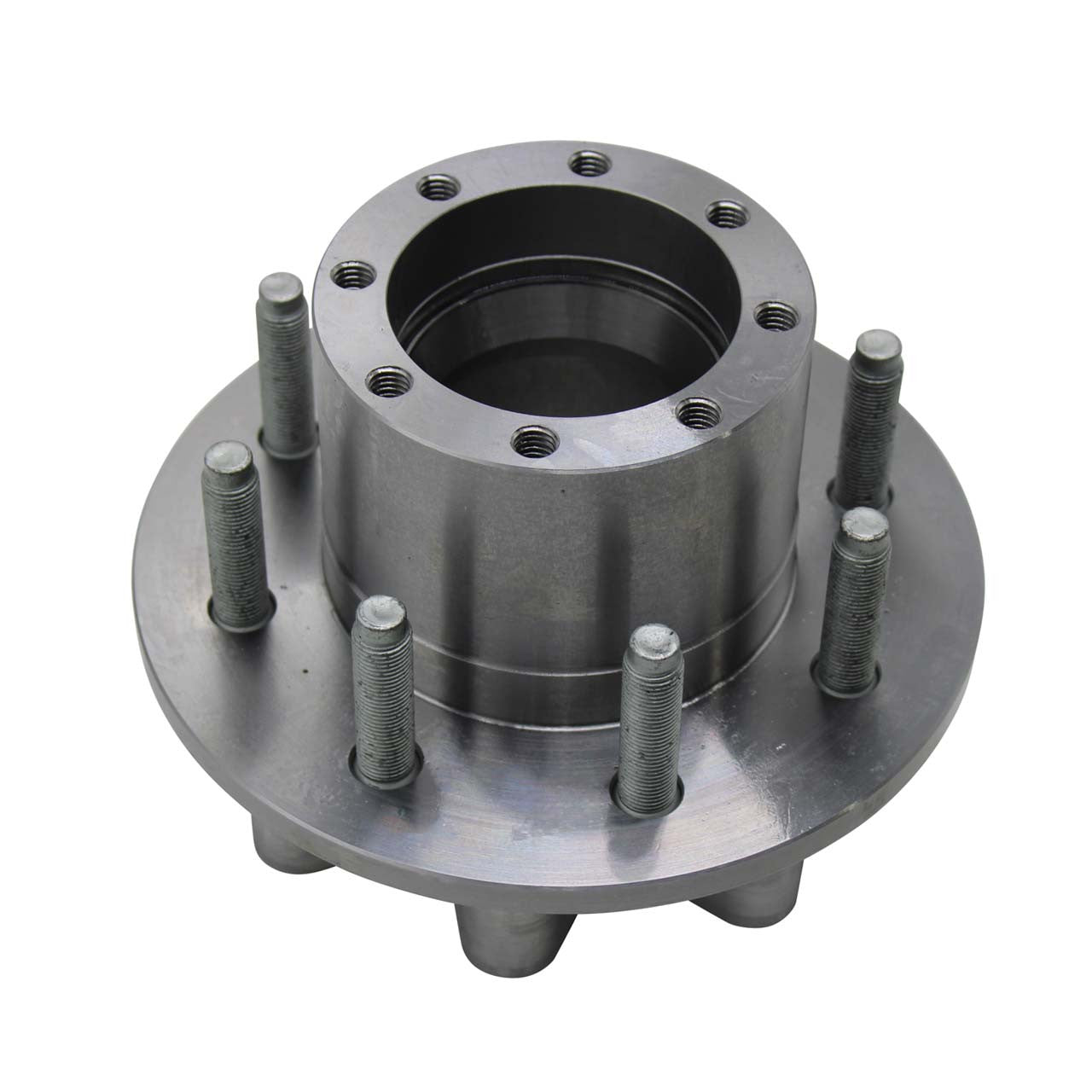
TKA30547: Our own Torque King manual locking hub for one side, made from 6061-T6 aluminum and 4140 steel. This hub fits 2005–2009 Chevy C4500/C5500 and GMC C4500/C5500 with Dana Super 70 front axles.
Torque King’s dedication to quality backs each of these products, backed up by technical support and documentation.
Why Replace Locking Hubs Sooner Rather Than Later?
Failing locking hubs may seem like a minor inconvenience, but they can lead to more serious issues down the line:
-
Increased drag and vibration can damage U-joints, seals, and bearings
-
Contaminated or leaking hubs can introduce dirt and moisture into your front wheel hubs
-
Driving with faulty hubs reduces the effectiveness of your 4WD system and can compromise traction when you need it most
Replacing bad hubs proactively can save you on repair costs, minimize downtime, and prolong your truck’s lifecycle.
If you’re experiencing symptoms of bad manual locking hubs, from grinding noises to grease leaks, it’s time to act. Diagnose the issue carefully, and if you confirm a problem, turn to Torque King for trustworthy, high-quality parts.
Still unsure which hub is right for your Chevy or GMC medium-duty truck? Reach out to our team, and we’ll help you select the right part and answer any tech-spec questions.


Leave a comment
This site is protected by hCaptcha and the hCaptcha Privacy Policy and Terms of Service apply.